
 review by
 It's kinda funny just how important the Hellraiser films are to horror movie canon, considering that only the first two are genuinely good. The third one was okay, and the less said about the made-for-TV ones, the better. So it's fair to assume that a decades-late video game adaptation is going to be passable, at best. I am very happy to report that against all odds, Clive Barker's Hellraiser: Revival (out now) is a worthy successor to those first two frantically horny, gore-splattered movies, and a fine survival horror game in its own right... At least, when it has the confidence to truly be itself.
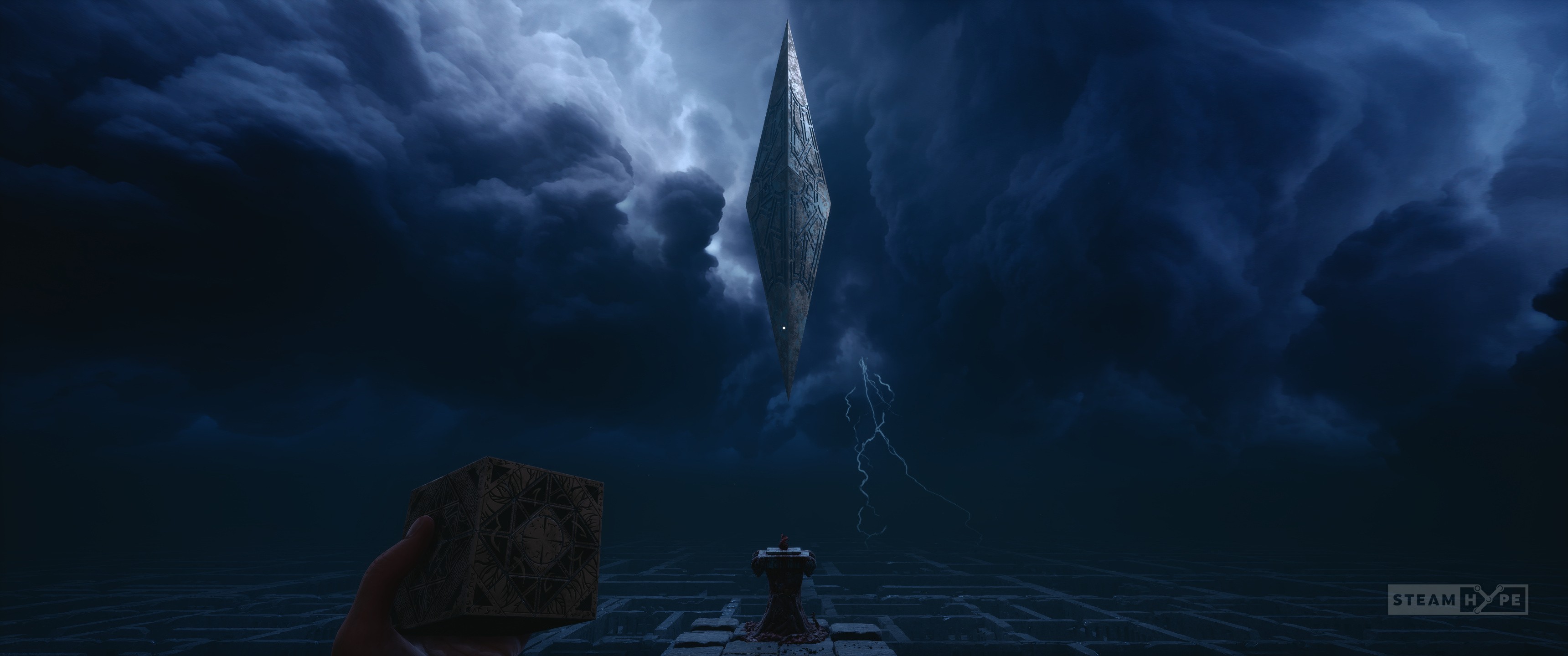
Hellraiser: Revival makes a VERY strong and confident first impression. As covered in my previous hands-on with the demo, it's a real statement of intent. Two young hedonists - Aidan and Sunny - are going at it like knives. No, correction - going at it with knives, which I'm sure is very fun for some people, so I will not judge. Their R-rated body-knocking, combined with casually hacking up each other using an unearthly, sharp-cornered puzzle-box, goes and opens up the door to the Labyrinth. A dimension made entirely of cold stone and colder metal spiky things, and home to the Cenobites, formerly humans, now demons obsessed with pain, pleasure, and every permutation in between.
Okay, so maybe I am judging a little, but only because of the whole 'Portal to the Ouch Dimension' thing.
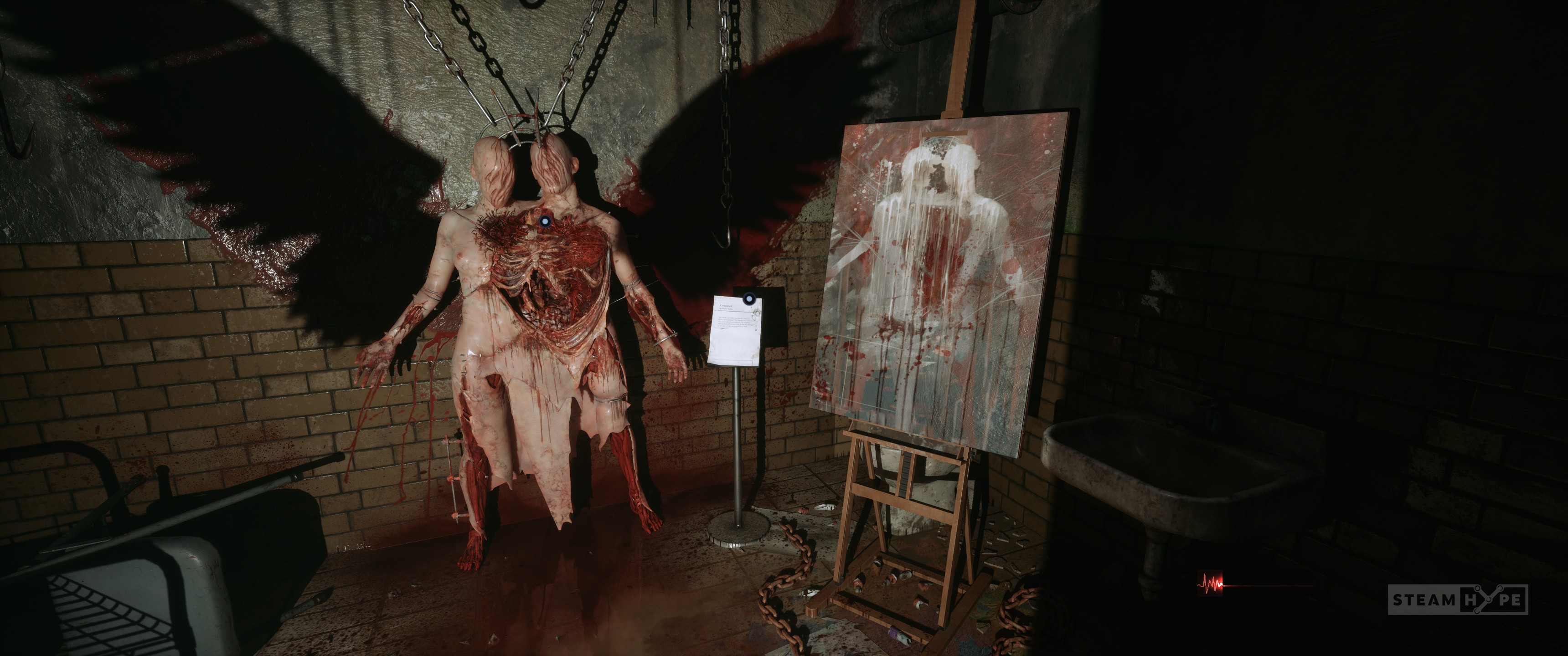
One thing leads to another, and Pinhead (avatar of Home Improvement-themed BDSM) turns up and cheerfully relieves Sunny of her epidermis, thus allowing her to reach the rare state of Nude 2.0. This leaves Aidan (who is still just Nude 1.0 and rather distraught) to be captured by a cult of Cenobite-worshipping murder-kinksters. These bad dudes and dudettes have a bad-torture dungeon underneath their fun-torture BDSM club hideout. This one is not holding back on its themes. Or its gore, as one of the cult leaders–a mad, gloriously camp surgeon named Bruno–has his handiwork on display like it's his personal art museum. It's some of the most detailed anatomical gore I've ever seen in a game.
The first chapter of the game (split into roughly five) does paint a slightly misleading picture of itself, with Aidan mostly creeping around, avoiding cultists who enjoy getting beat up a little too much, and conserving a very tight pool of resources. Even when Hellraiser empowered me with a pistol, I was still making every headshot count. Doubly so when it introduced armored enemies, forcing me to either commit to an unarmored point on an enemy's body, or focus on knocking off their gimp-helmet first. Everything feels tense and defensive, and every bandage you can craft with your pool of random junk is vital.
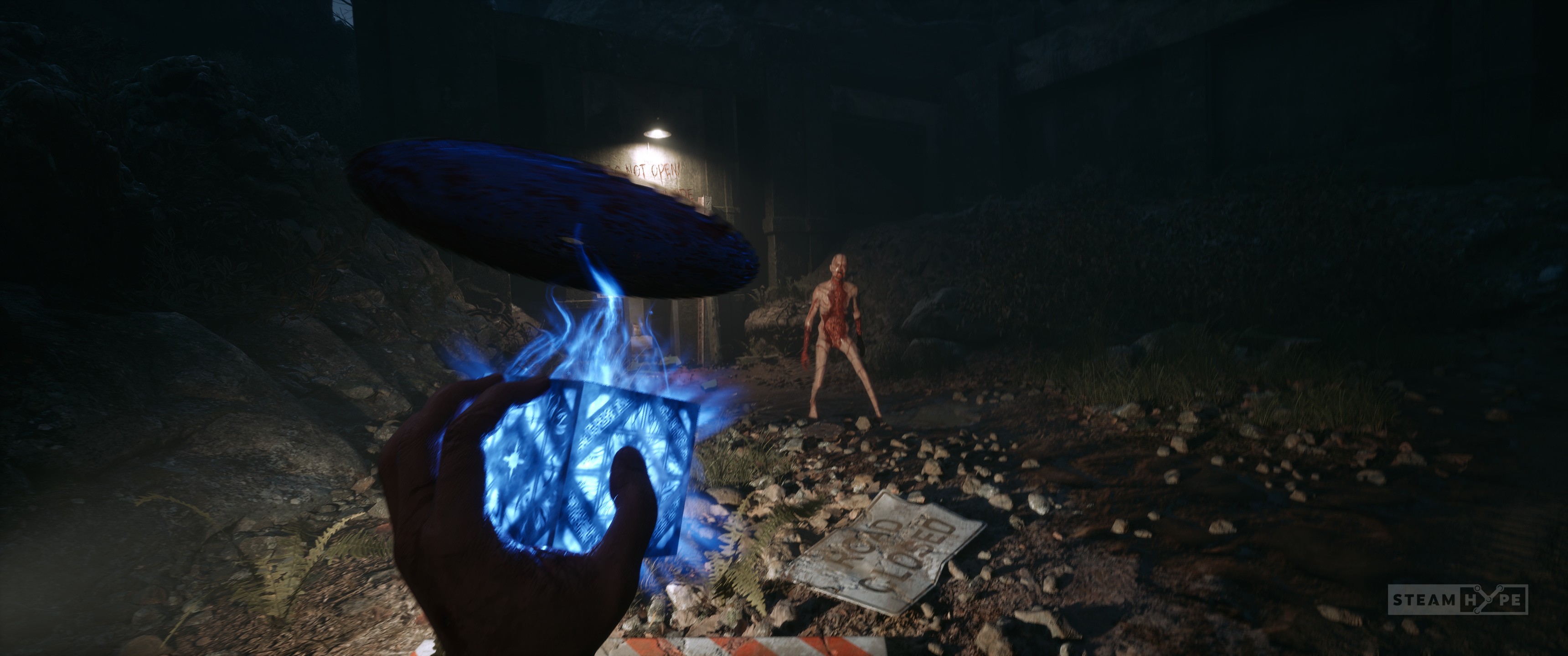
And then it introduces the Unworthy, zombie-like enemies that, once weakened, can be finished off in nu-Doom Glory Kill style, healing you slightly each time. And then it gives you Half-Life 2's gravity gun. Specifically, the first of three spells that are fueled by your mana suffering bar, which is refueled by hurting enemies. Now you can pick up saw-blades and metal spikes (sometimes ripping them straight out of pre-tortured enemies) and casually decapitate a whole hallway of enemies with a well-aimed shot.
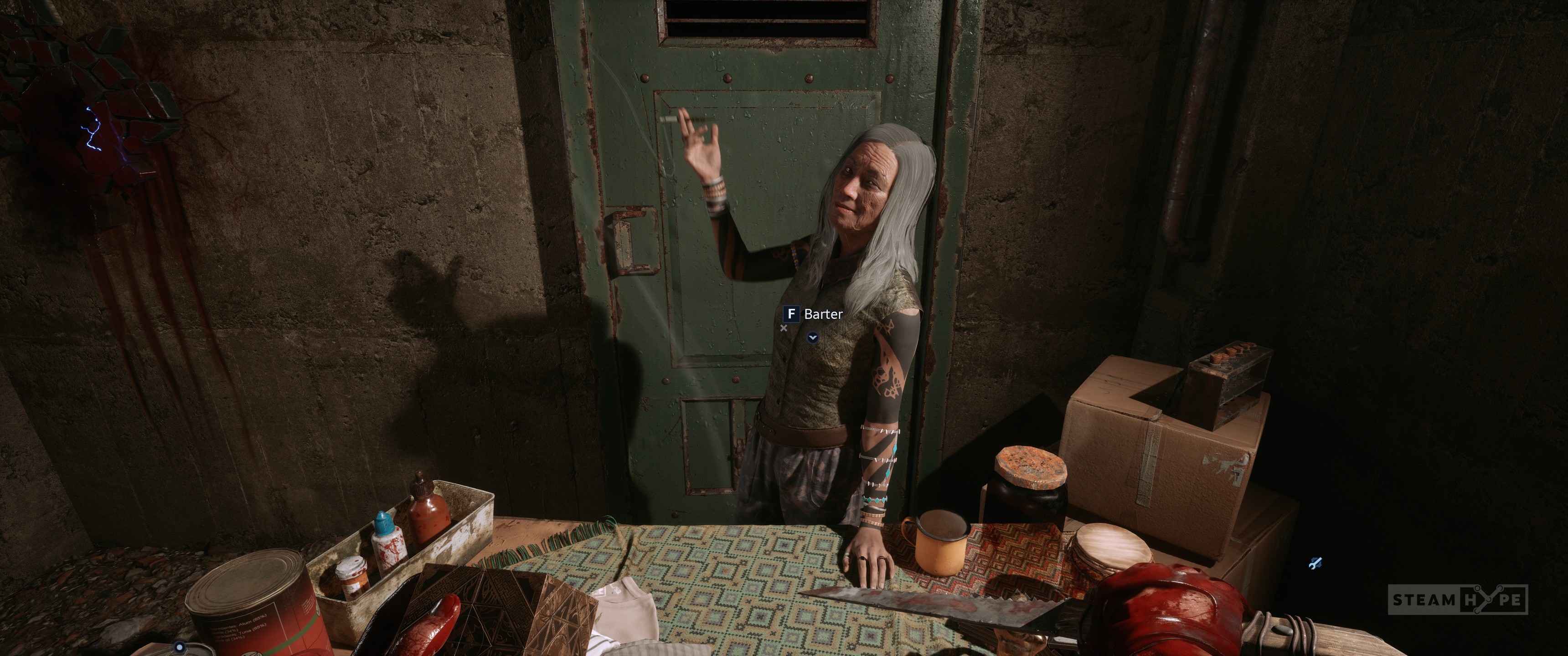
And then there's a mysterious sassy old lady who hangs out near purple lamps and sells you weapons, upgrades, and ammo to help Aidan on his quest to rescue his lover from hell. You see where this is going. From here on, mechanically, Hellraiser mostly becomes Resident Evil 8, just a little more narrow and linear. The remainder of the game is split up into a series of small interconnected hubs, each one a mix of combat and puzzle encounters, looping back to the store, upgrading, and culminating in a multi-phase boss fight. Each area sometimes cartoonishly contrived in its navigation, as Aidan cannot clear any obstacle taller than his knee. So far, so standard survival horror.
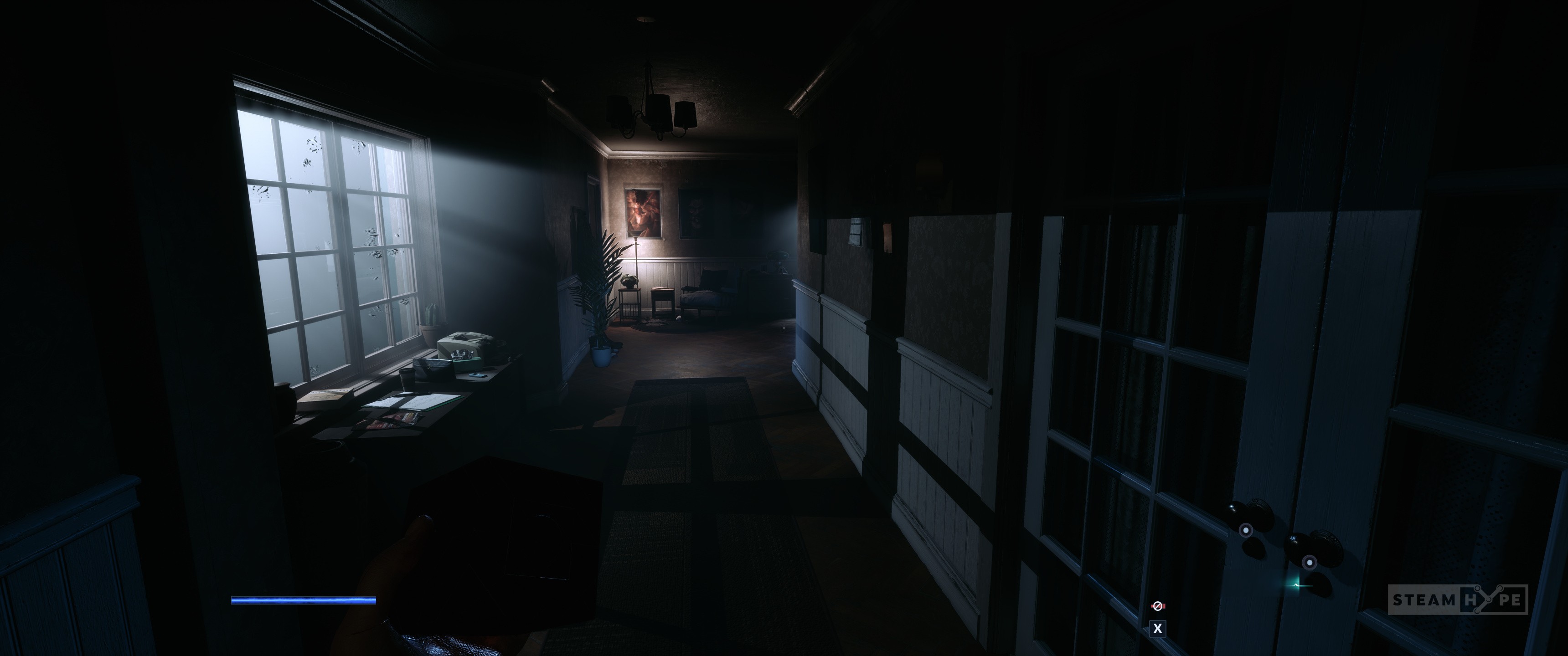
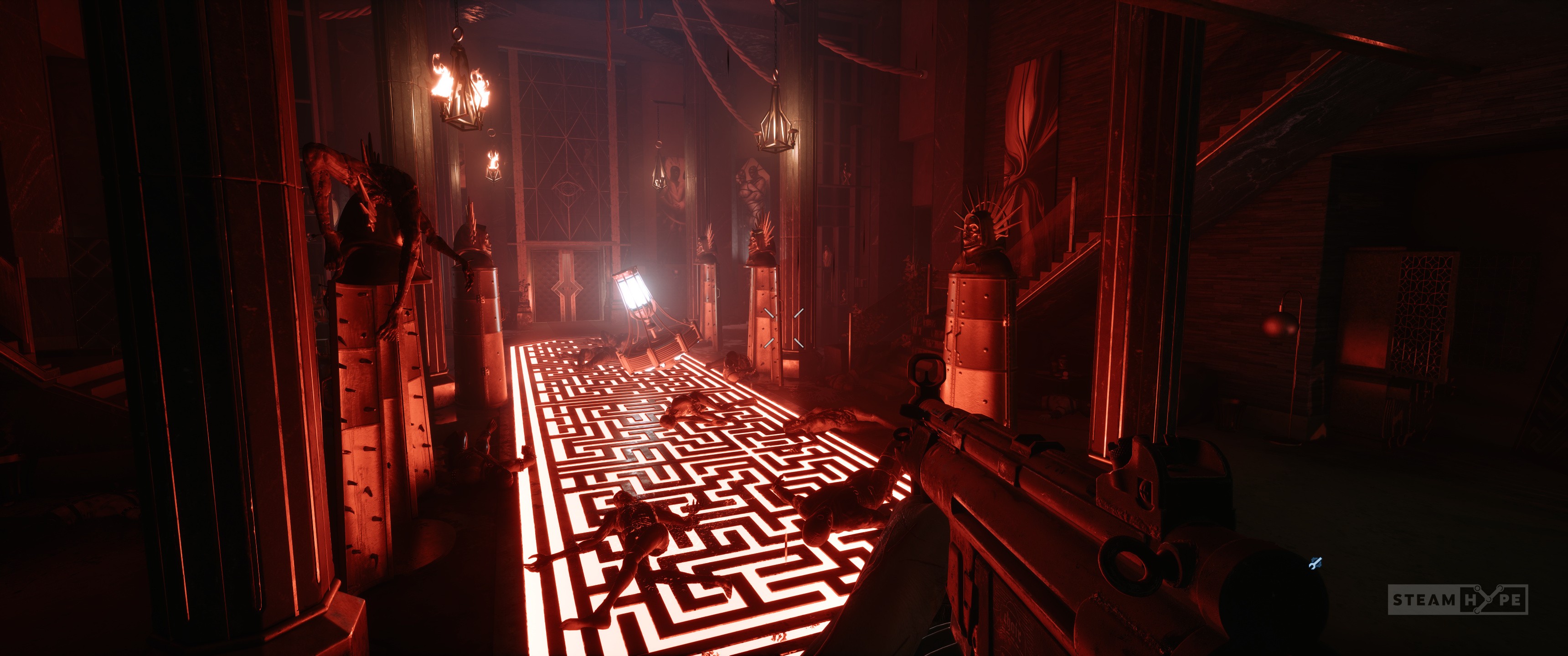
It's good survival horror stuff, too. While not quite as polished as Capcom's best, the shooting is fun (even if the enemy variety could have used a couple more basic types), the looting and resource management are compelling, and the bosses are genuinely enjoyable fights. But it's hard not to roll my eyes when it throws me into a near carbon copy of Resident Evil 4's famous cabin survival battle (boarding up windows and everything), or even a shameless riff on P.T., the standalone demo for the Silent Hill game that never was. Suddenly, Hellraiser becomes a familiar series of hallways, looping in on themselves, punctuated by scary sounds and messages.
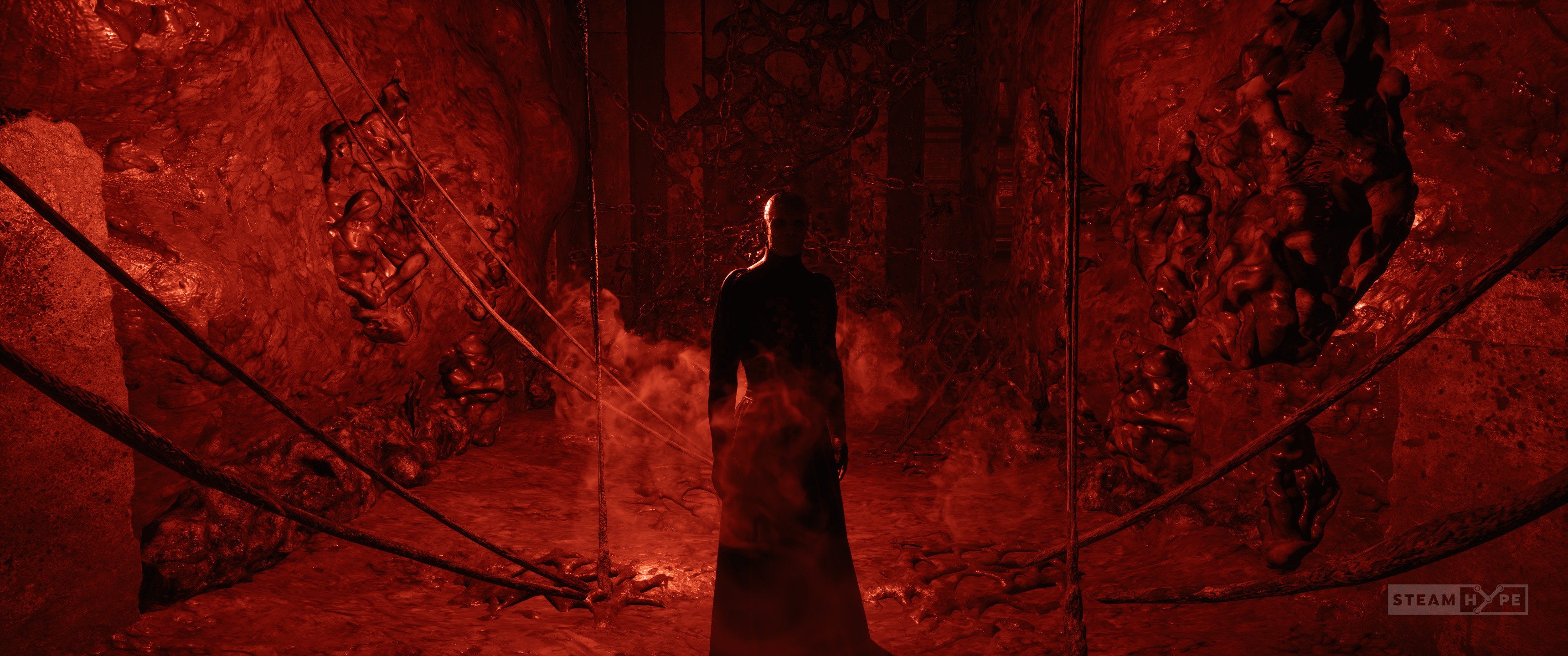
There's nothing fundamentally wrong with these derivative segments, but they stand in stark contrast to where the game is strongest; when it's proud to just be the Hellraiser we know and love. When it's throwing you into the Labyrinth and bombarding you with amazing, ever-twisting impossible vistas. When the architecture in the real world seamlessly gives way to this other dimension - one moment you're standing in a graveyard, the next you're walking down a set of stone stairs that weren't there a second ago, travelling to another location via a quick jaunt through hell.
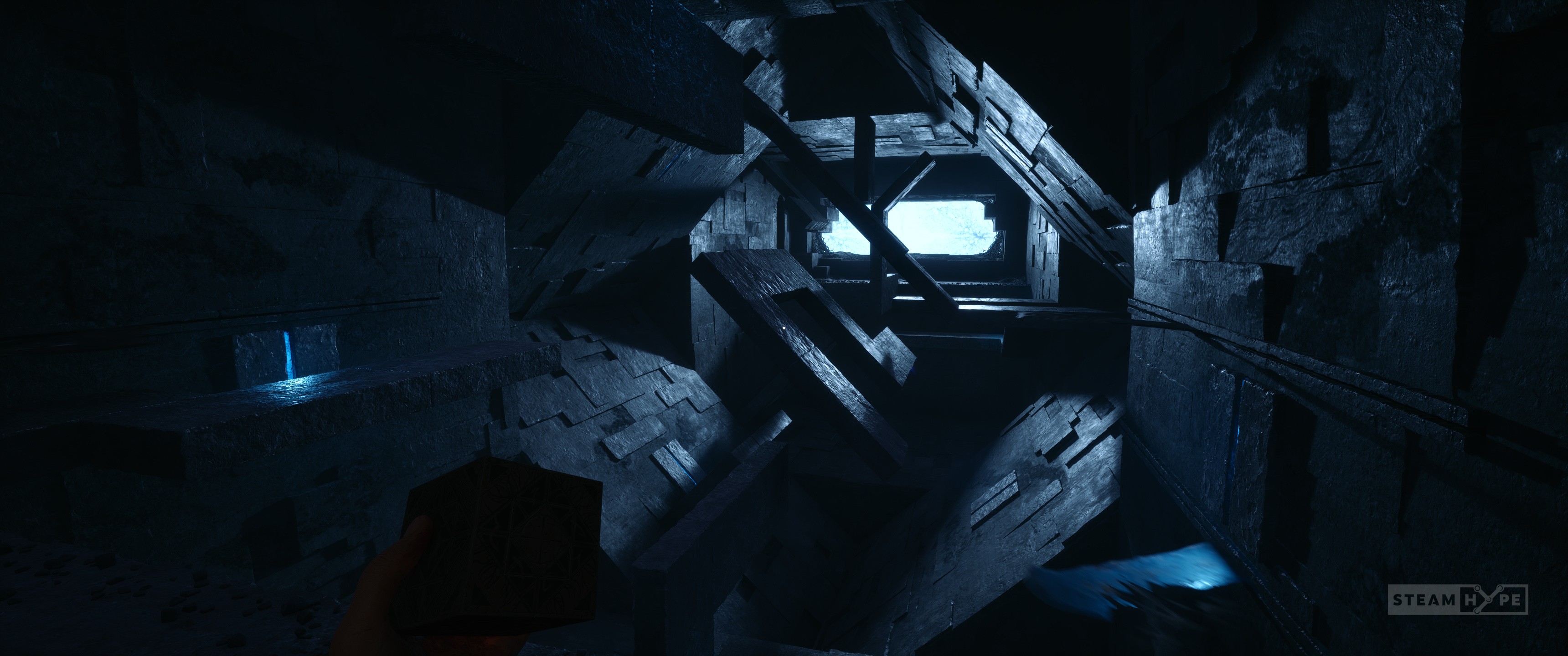
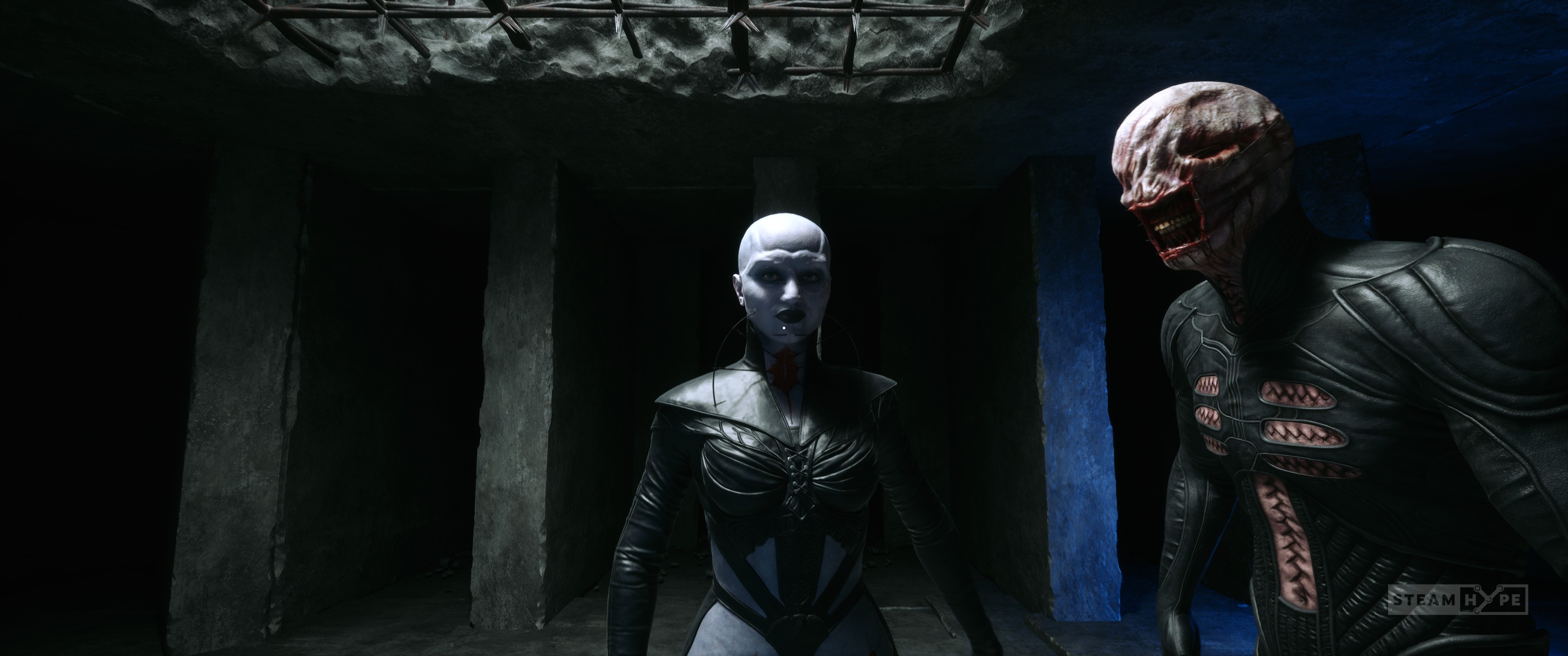
In fact, you can almost feel like there are two games stapled together here. When Aidan enters the Labyrinth, it locks you out of your inventory, your map, and even your HUD. While death normally throws you back to the last save point (on Hard - you can save freely on Normal), during these extradimensional jaunts, getting hit by a deathtrap just snaps you back to the start of the room, lifting much of the tension and allowing you to enjoy the atmosphere. At least, this is how it should work, but some sequences (like chase scenes with The Chatterer - another cenobite) WILL throw you back to your last save if you make even one mistake, and that can sometimes be 5-10 minutes prior.
A frustrating inconsistency in an otherwise polished game. The only other technical flaws I encountered were falling through the floor once when trying to climb a ladder, and getting stuck on a piece of geometry, both costing me a few minutes of progress.
But these were relatively minor frustrations, and the game's use of impossible space allows its story to maintain a genuinely impressive pace with minimal downtime or backtracking. Whenever the narrative requires Aidan to be someplace else, the Labyrinth provides, with the next step just being through the next doorway. When you need to overhear a conversation between villains, you get to observe them through a crack in the wall in a parallel dimension. When enemies need to pour into an otherwise closed space, extra corridors pop out of nowhere. I was impressed by how confident the game can be, pulling the rug out from under you with these tricks. Again, this is Hellraiser at its best, mimicking the fragile, shifting reality of the films.
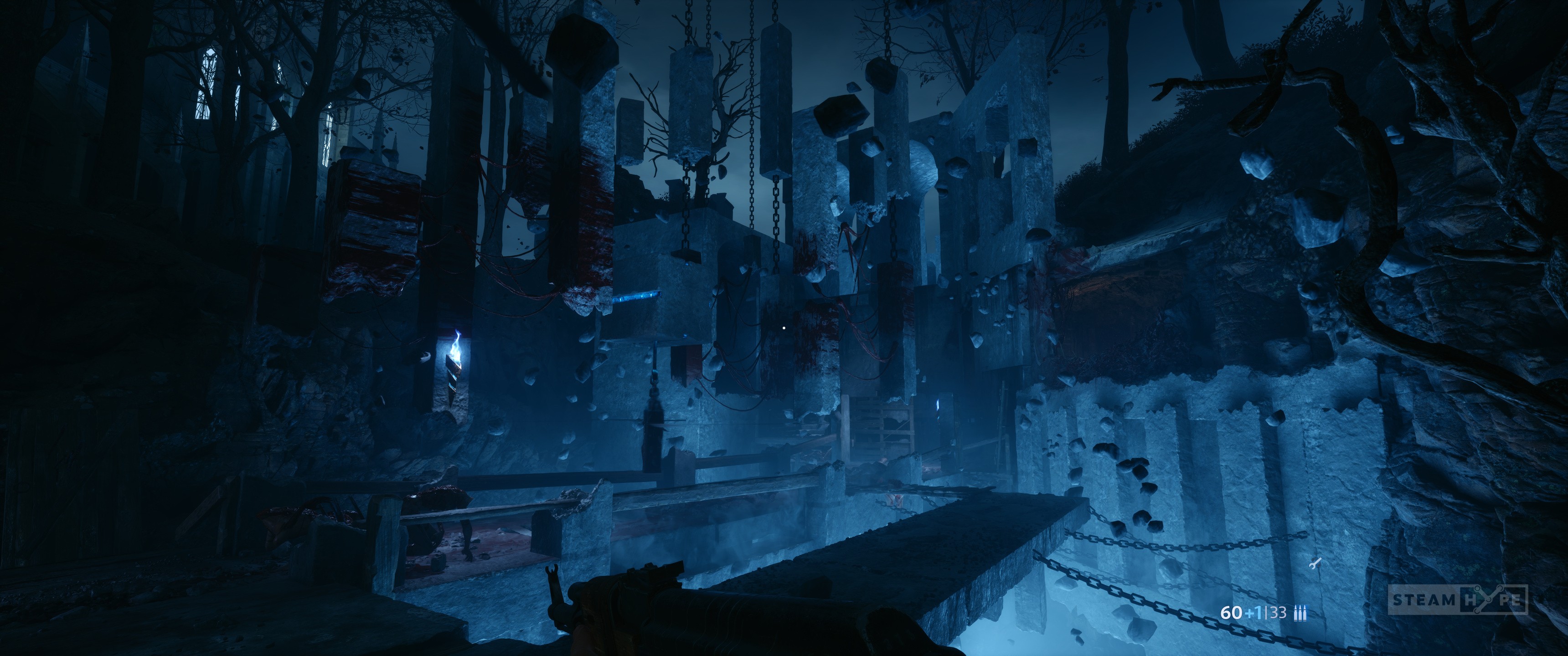
Those moments of true confidence lead me to my main wish: That it could have mechanically merged these two halves as well as the game's beautiful, nightmarish architecture does. As it continues, the line between our world and that of the Cenobites blurs further, allowing for some wonderful hybrid environments to emerge, gradually introducing Labyrinth traps into the flow of combat. But it takes much of the 9-ish hour runtime to get to that point, and still feels like Revival awkwardly shifts gear now and then. When it follows its own kinky mantras (be yourself and hold nothing back), it is great. But much of the time, it's just comfortably familiar, which just isn't very Hellraiser, is it?
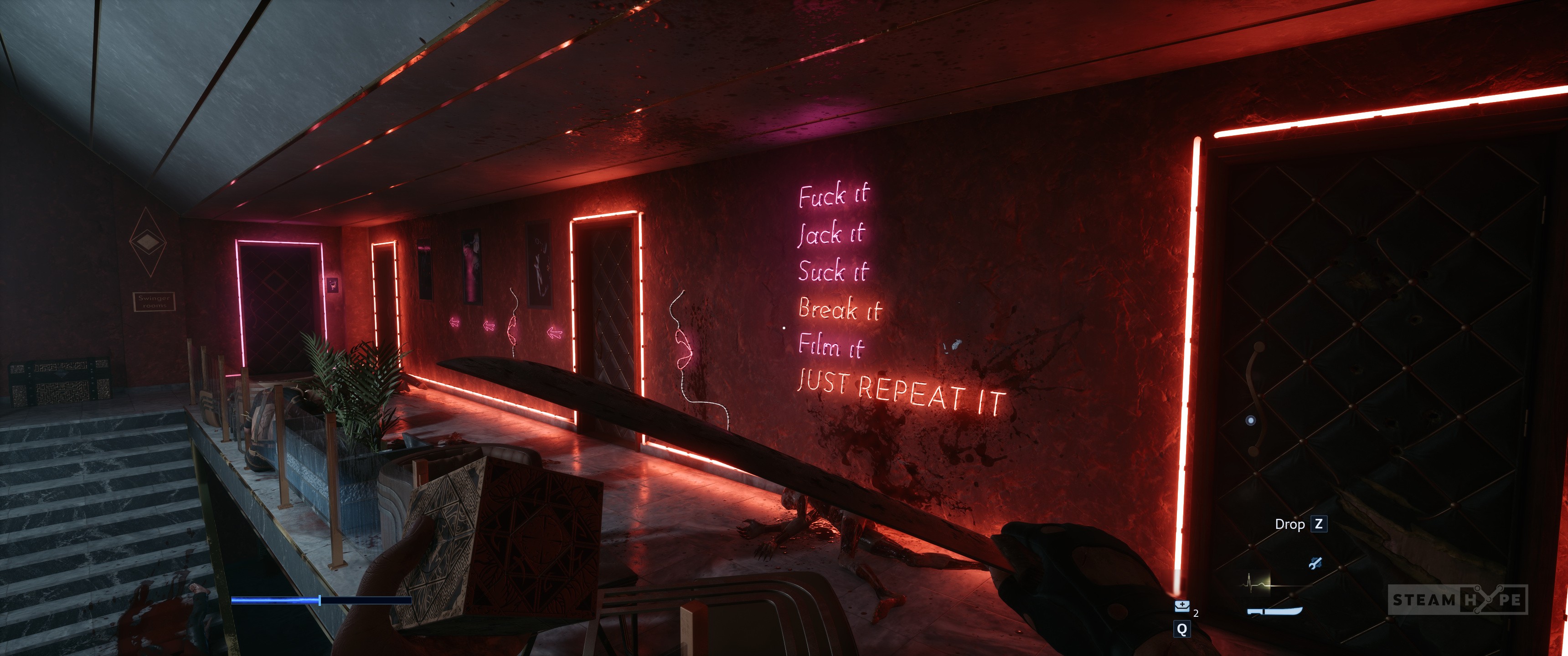
That's my core frustration, really. When the game is hitting those high notes, they are beautiful. Hellraiser: Revival's story is well told - a tale of yearning, looking for love in the wrong places and messy relationships. It avoids demonizing kink (there's literal demons OVER THERE, just for contrast), and it drip-feeds you Aidan and Sunny's backstory without sitting you down to exposition-dump. Mostly. There's a couple of 'okay, here's what's going on' moments near the end, but even they feel relatively well earned. But a little too often, it feels like Hellraiser is ashamed of itself and retreats into being another game. Never a bad one, but the contrast is stark.
Lastly, while not quite a complaint, the game's comparatively slim price does reflect the content somewhat. Retries included, Hard mode took me a little over 10 hours to clear (the in-game timer says 9 hours), and there's nothing to unlock beyond the end credits. No New Game Plus mode with remixed enemy placements and no bonus challenges outside of achievements. It is what it is, and that's fine. But to paraphrase, it left me a little hungry for new experiences, even if they were potentially painful.
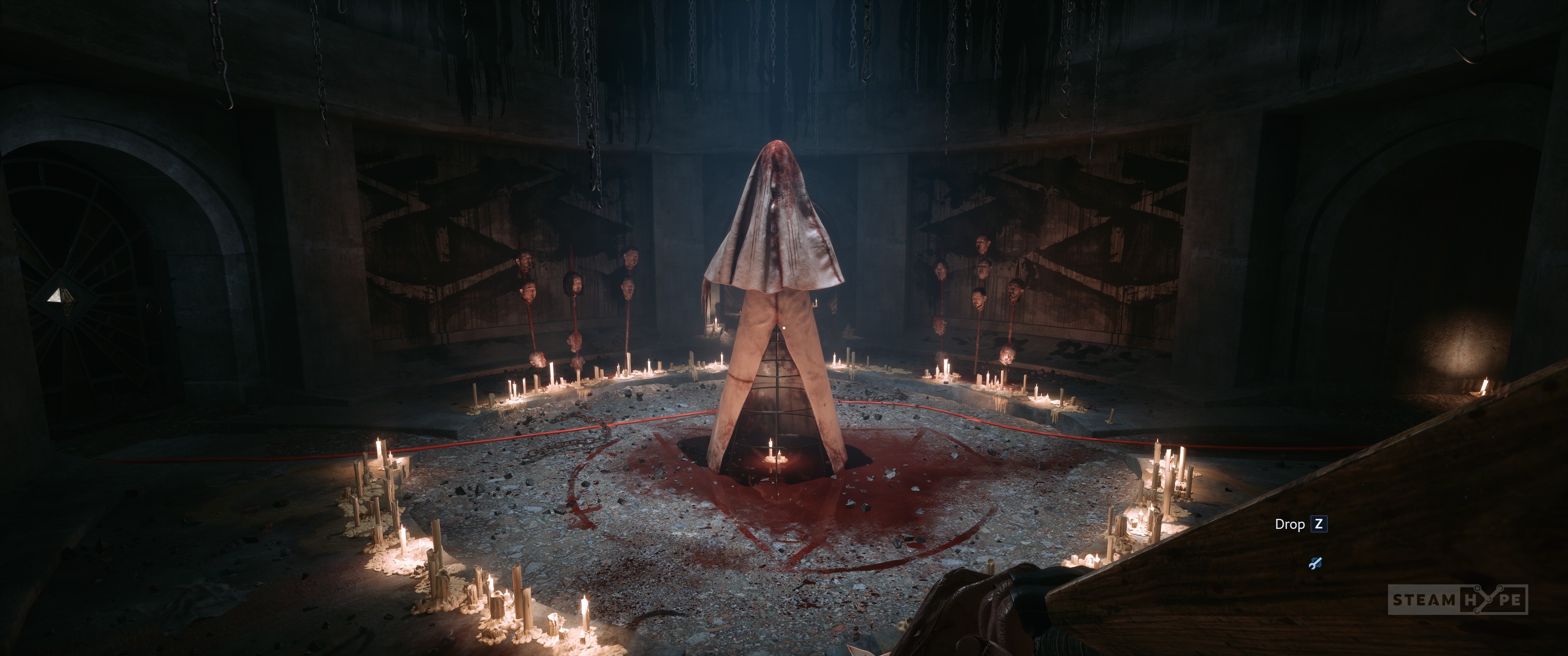
Clive Barker's Hellraiser: Revival is out now for £35/$40, across Steam, PS5, XBOX Series X|S and Nintendo Switch 2. There's also a 'deluxe' edition that adds a few goofy weapon skins and a unique Pinhead-themed melee weapon that broke forever after just one fight, so probably not worth the extra cost.
Conclusion
Every bit as horny, gory and transgressive as it should be. When Hellraiser: Revival is confident enough to just be Hellraiser, it's an excellent game. When it's riffing off other survival horror greats, it's merely good, but it's never less than entertaining.
Comments 3
Awesome write up, been really looking forward to seeing how this reviews.
I absolutely SHOULD NOT BUY THIS, BECAUSE I DON'T HAVE THE TIME.
Oh I'm going to anyways
Great review! I thought the demo was fun and I could get a pretty good feel for what the game was going to be like with it. Great game for spooky month.
This looks good your review has got me interested.
Show Comments
Leave A Comment
Hold on there, you need to login to post a comment...